Sunday, February 26, 2012

tubistes, steamfitters and rocketeers

There have been many different names given to those who work on, or with, pneumatic tube systems: engineers, tubistes, diagnostic scheduling technicians, steamfitters, operations coordinators, postmasters, sorters, petit facteur télégraphistes and who could forget the cambrioleurs aspirateur, or vacuum burglers!

But now I have a favourite: the rocketeers.


Thanks to the Big Apple blog for highlighting the use of the term rocketeer to refer to postal works in the New York City postal pneumatic tube system. Does anyone know the names of any other occupations associated with these tubes?

Image from Between the Seats blog.

Thursday, February 23, 2012

beautiful books

My Modern Met posted an entry recently about "book surgeon" Brian Dettmer, and his literary scultpures made from encyclopedias, medical journals, illustration books and dictionaries. These two just seemed worth sharing here ...


Thanks Pamela for sharing this with me!

Wednesday, February 15, 2012

pneumatic post cartoon of the week

The Simpsons: Marge Gets a Job


Marge: "Where does it go?"
Homer: "Don't worry baby, the tube will know what to do"
Image from Gizmodo. See episode on YouTube and read about it on The TV IV.

Saturday, February 11, 2012

Pneu Pneumatics in Pneu York City?

Could there be a new pneumatic system being considered in New York City? The blog City Atlas reported recently on a presentation by those involved in a New York state-funded research project looking at extending pneumatic tube trash systems elsewhere in Manhattan.

Something for pneumatic tube lovers to keep an eye on.

Image from GSAPP.

Tuesday, February 7, 2012

monitoring and maintaining the tubes

While pneumatic tubes are celebrated for their efficient transportation of solid objects, sometimes the system blocks, clogs, and stops. In hospitals this can require urgent repair. The Otago Times reported on one incident of emergency surgery that was needed on a pneumatic system in Dunedin, where the piping was cut in several places to retrieve samples that had become blocked.
At the Hospital of the University of Pennsylvania, a pneumatic tube work committee meets biweekly to review problems and concerns. Their troubleshooting guide is laminated and blu-tacked near each sending/receiving station.
Pneumatic tube company Pevco have recently released an automated mobile email alert system for hospital engineers, while their Houston branch offers three day training for hospital engineers including hands-on maintenance scenarios.
Pneumatic tube engineers need to be creative. In her Cabinet article, Molly Wright Steenson writes how in Paris, in the times of the Poste Pneumatique, a tubiste would relieve blockages in the system by reversing air pressure and drawing the carrier back to the station. When this didn't work, the tubiste would try another tactic - fire a pistol into the tube which created a sound wave that allowed calculation of the location of the blocked item. Surgery of this system required sloshing through Paris' sewers to the area of blockage.

For those interested in clogging tubes and engineering creativity more generally, you will want to see
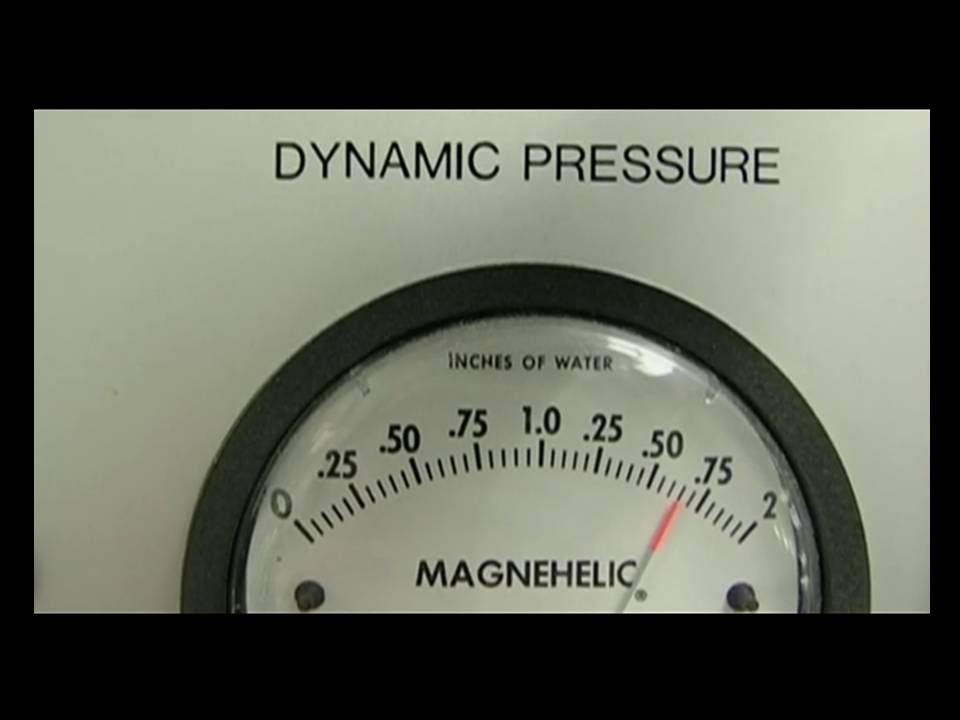
Gregory Whitmore's wonderful video about blockages and all other kinds of monitoring, maintenance and mayhem associated with pneumatic tube systems on Roosevelt Island, New York. The video was made as part of the Fast Trash exhibition in New York in 2010 (read the pneumatic post about the exhibition here and for more about maintenance here). Here is a sneak peak:

Nature Abhors a Vacuum :: EXCERPT - "JAMS." from gregory whitmore on Vimeo.

All images in this post are stills from this video. See here for the longer version.

Thursday, February 2, 2012

stitching seed cells

Following a previous post about Anna Dumitriu's experiments in bacterial communication, I thought I would share the embroidery I finished last year, inspired by Annie's postcard of seed cells. More about pneumatic tubes next week I promise!


Sunday, January 29, 2012

inspiring postal and museum spaces

Occasionally you come across some inspiring spaces, glimpsed via the internet, that you just have to share. Jennie Hinchcliff's studio and the Morbid Anatomy Library are two of these. Jennie's studio celebrates all that is wonderful about sending post, whereas the anatomy library is a beautifully collated collection of medical and scientific objects.

The postal art studio

For those unfamiliar with Jennie Hinchcliff''s blog, Every Day Should be a Red Letter Day, this is a fantastic site to stir your creative postal energy. After reading a few posts you will be itching to switch off the laptop and pick up a pen, a nice sheet of paper, your favourite stamp and write to a friend. Recently Jennie posted photos of her studio in construction, providing a glimpse into her own postal world:


The library of curious medical objects

The Morbid Anatomy blog provides a neverending source of inspiration through posts about taxidermy, anatomical art, surgical history and hundreds of other topics in the mysterious realm of medicine and science. A visit to this website, in particularly the comprehensive list of medical museums, is always a must before I travel. The Morbid Anatomy Library is a recent extension of the blog. Housed in Brooklyn, New York and open only by appointment (email morbidanatomy[at] gmail.com to arrange), this is an inspiring research space for the curious:


Photos from Everyday Should be a Red Letter Day and Morbid Anatomy used with kind permission of Jennie Hinchcliff and Joanna Ebenstein.

Wednesday, January 25, 2012

fieldwork in the museum

If you happen to be in Frankfurt between now and September you will be able to see Object Atlas, the first exhibition in the recently rennovated Weltkulturen Museum. On display will be ethnographic objects, contemporary artworks and historical drawings, with an accompanying exhibition catalogue containing essays by Richard Sennett and Paul Rabinow amongst others.

And if you happen to in Frankfurt tonight, you can go to the grand opening, from 7pm!

Now where is my pneumatic tube transportation to whizz me to Frankfurt?

Friday, January 20, 2012

pneumatic post art of the week 5

Kubische constructie by André Volten

(Kröller-Müller Museum, Otterlo, The Netherlands, 1968)


Image of from Paul Chanthapanya's Flikr photostream.

Tuesday, January 17, 2012

old tubes for new hospitals

While old hospitals are being rennovated pneumatically in order to keep up the technological demands of clinical work (see last week's post), new hospital buildings are also being constructed to incorporate pneumatic systems in their infrastructure, from the beginning.

Recent examples of new hospitals with new pneumatic systems include McGill University Health Centre in Montreal, and the St Anthony hospitals in Midwest City and Oklahoma City in Oklahoma, USA. The technology is seen as efficient and time saving. Samples sent via the pneumatic tube system in the new Forth Valley Royal Hospital in Larbert, UK, save "vital time", while a new robotic letter sorting system in the hospital is processing letters at "lightening speed". In the new Children's Hospital in Los Angeles, USA and the new Orange Regional Medical Centre in New York, USA, pneumatic tubes are described as state-of-the-art medical technologies. While pneumatic tubes have been state-of-the-art for some centuries now, these computerised iterations are fascinating to consider in terms of how they adapt to, alter, interrupt and facilitate medical work in contemporary hospitals.

Next week: installing pneumatic systems in new wards in old buildings. How do pneumatic systems connect the past and the present?

This photo, from Flikr, shows a steamfitter for SwissLog checking pneumatic piping for dents. It is part of a series of photos taken by Marc Barnes documenting the installation of pneumatic pipes and other construction work at the Fort Belvoir Community Hospital Oaks Pavilion, in Fort Belvoir, Virginia (USA).